
Office Furniture Budget Guide: How Much Should You Spend on Furnishing an Office?
When planning a new office, renovating an existing workspace, or expanding your team, one of the most common questions business owners ask is:
How much should I budget for office furniture?
The answer depends on several factors, including the size of your office, the number of employees, the type of furniture you need, and whether you choose new or used office furniture. Understanding these costs upfront can help you avoid overspending while creating a productive and professional workspace.
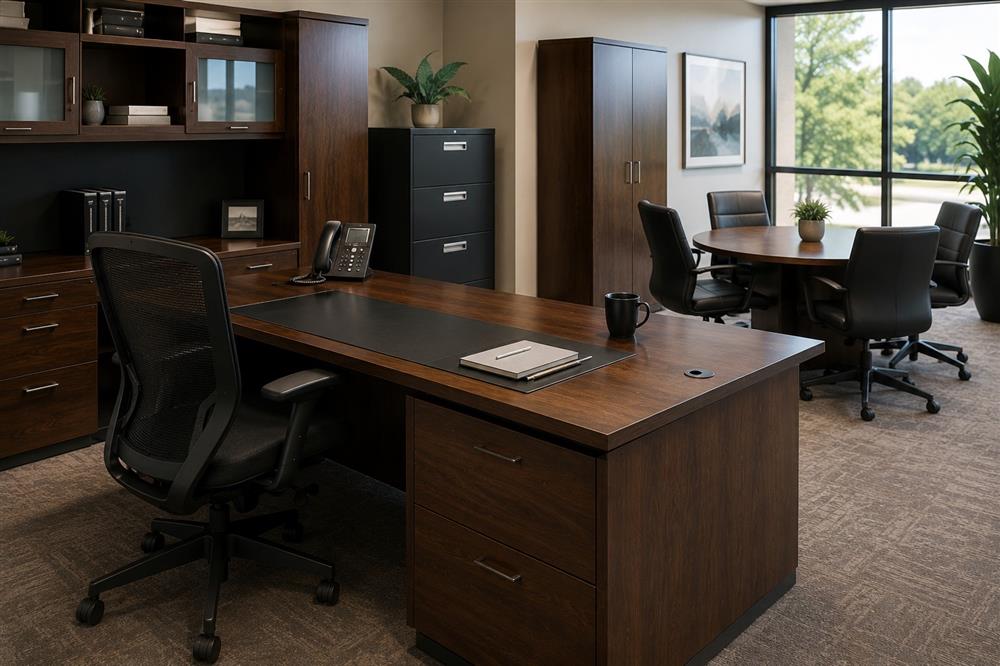
Office furniture budgets can vary significantly depending on office size, furniture quality, workstation configurations, and workspace requirements.
Average Office Furniture Costs
Office furniture budgets can vary significantly depending on the quality and quantity of furniture selected.
As a general guideline:
- Basic workstation setup: $500 to $1,500 per employee
- Mid-range office furniture: $1,500 to $3,500 per employee
- Executive office furniture: $3,500 to $10,000+ per office
- Conference rooms: $1,000 to $15,000+
- Reception areas: $1,000 to $20,000+
A small office with ten employees may require a furniture investment ranging from $10,000 to $50,000 or more, depending on the products selected.
Real Office Furniture Budget Examples
To provide a better understanding of what businesses typically spend, consider the following examples:
- A 5-person office may require a furniture budget of $5,000 to $15,000.
- A 20-person office may require $20,000 to $75,000 depending on furniture quality, workstation configurations, and conference room requirements.
- A 50-person office may require $50,000 to $200,000 or more when cubicles, conference rooms, reception areas, executive offices, and storage systems are included.
Every project is unique, but these examples provide a useful starting point when planning your budget.
Key Furniture Categories to Budget For
Office Desks
Desks are typically one of the largest furniture expenses in any office.
Popular options include:
- Laminate office desks
- Height adjustable desks
- L-shaped desks
- U-shaped executive desks
- Bench workstations
Height adjustable desks have become increasingly popular due to their ergonomic benefits and ability to support employee wellness.
Office Chairs
Employees spend a significant portion of their workday seated, making office chairs one of the most important investments.
When evaluating office chairs, consider:
- Ergonomic adjustments
- Lumbar support
- Seat comfort
- Weight capacity
- Warranty coverage
Investing in quality office seating can help improve employee comfort and productivity while reducing workplace discomfort.
Conference Room Furniture
Conference rooms often require:
- Conference tables
- Conference chairs
- Power and cable management solutions
- Presentation furniture
The size of your conference room and the number of participants will largely determine your budget.
Reception Furniture
Reception areas create the first impression visitors have of your business.
Common reception furniture includes:
- Reception desks
- Guest seating
- Coffee tables
- Storage furniture
Businesses often choose to invest more heavily in client-facing spaces because they directly impact customer perception.
Storage Solutions
Storage requirements vary by industry but may include:
- Filing cabinets
- Lateral files
- Bookcases
- Storage cabinets
- Credenzas
Modern offices often combine digital storage with physical storage solutions to maintain organization and efficiency.
New vs. Used Office Furniture Costs
One of the easiest ways to reduce office furniture expenses is by incorporating quality used office furniture.
Benefits of used office furniture include:
- Lower purchase costs
- Faster availability
- Sustainability benefits
- Access to premium brands at reduced prices
Many businesses save between 30% and 70% by purchasing quality pre-owned furniture from commercial office liquidations.
For example, a workstation system that costs $2,500 new may be available for $750 to $1,500 on the used market depending on condition and availability.
Hidden Costs to Consider
When budgeting for office furniture, don't overlook additional expenses such as:
- Delivery
- Installation
- Space planning
- Furniture assembly
- Electrical and technology integration
- Moving and relocation costs
Planning for these expenses early can help prevent budget surprises later in the project.
How to Maximize Your Office Furniture Budget
Businesses can stretch their furniture budgets by:
- Prioritizing employee workstations
- Combining new and used furniture
- Purchasing durable commercial-grade products
- Investing in ergonomic seating
- Planning for future growth
- Working with experienced office furniture professionals
A thoughtful purchasing strategy often delivers better long-term value than simply choosing the lowest-priced options.
Why Quality Matters
Office furniture is a long-term investment. Higher-quality commercial furniture typically provides:
- Better durability
- Longer warranties
- Improved ergonomics
- Lower replacement costs
- Better employee satisfaction
While the initial investment may be higher, quality furniture often delivers a lower total cost of ownership over time.
Frequently Asked Questions
How much should I budget for office furniture per employee?
Most businesses spend between $1,000 and $3,500 per employee depending on the type of furniture, office layout, and quality level selected. Executive offices and specialized workspaces may require a larger investment.
Is used office furniture worth buying?
Yes. Quality used office furniture can provide significant cost savings while still offering commercial-grade durability. Many businesses save between 30% and 70% compared to purchasing new furniture.
What office furniture should I prioritize first?
Most businesses should prioritize ergonomic office chairs and functional workstations first, as employees spend the majority of their workday seated and working at their desks.
How long does commercial office furniture last?
High-quality commercial office furniture can last 10 to 20 years or longer with proper care and maintenance. Durability often depends on materials, construction quality, and usage levels.
Are height adjustable desks worth the investment?
Many businesses find that height adjustable desks improve employee comfort, promote movement throughout the day, and support workplace wellness initiatives. They have become one of the most popular office furniture upgrades in recent years.
What hidden costs should I consider when budgeting for office furniture?
In addition to furniture costs, businesses should budget for delivery, installation, assembly, space planning, electrical integration, and potential relocation expenses.
Should I buy office furniture online or work with a dealer?
Working with an experienced office furniture dealer can help businesses select the right products, maximize their budget, coordinate delivery and installation, and avoid costly purchasing mistakes.
Final Thoughts
Every office has unique furniture requirements, and there is no one-size-fits-all budget. The right approach is to evaluate your workspace needs, establish priorities, and invest in furniture that supports productivity, comfort, and long-term business growth.
At Choice Office Furniture, we help businesses throughout Wisconsin, Northern Illinois, and across the United States find cost-effective furniture solutions for offices of every size. From office desks and chairs to cubicles, conference rooms, and reception areas, our team can help you plan a workspace that fits both your needs and your budget.
Related Articles
- New vs. Used Office Furniture: Which Is Best for Your Business?
- How to Choose the Right Ergonomic Office Chair
- Benefits of Height Adjustable Desks in Today's Workplace
- Office Cubicles vs. Open Workstations: Pros and Cons
- Office Desks
- Office Chairs
- Used Office Furniture
- Conference Tables
- Reception Desks