
Office Chair Buying Guide: Features That Matter
An office chair is one of the most important investments you can make for your workspace. Employees often spend six to eight hours or more each day sitting at their desks, making comfort and support essential for productivity and overall well-being.
With so many options available, choosing the right office chair can feel overwhelming. This guide explains the key features to consider when selecting an office chair and how to find the best solution for your workspace.
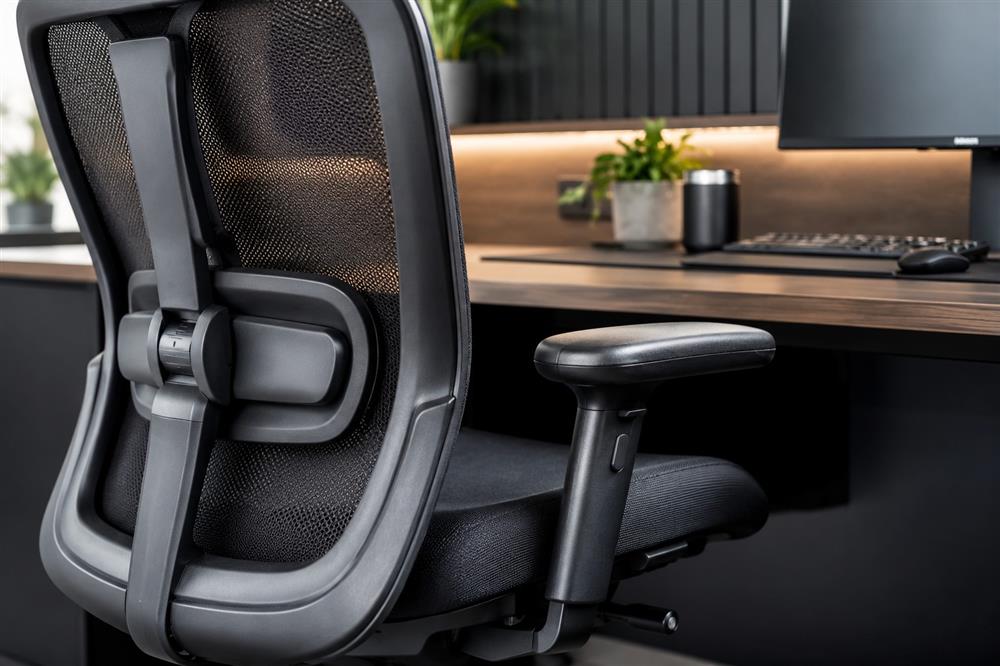
A quality ergonomic office chair can improve comfort, support proper posture, and help increase productivity throughout the workday.
Why Choosing the Right Office Chair Matters
A quality office chair can help:
-
Improve posture
-
Reduce back and neck strain
-
Increase comfort throughout the workday
-
Support productivity
-
Reduce workplace fatigue
Poor seating can contribute to discomfort, reduced focus, and long-term physical strain.
Ergonomic Design
One of the most important features to consider is ergonomics.
An ergonomic office chair is designed to support the body's natural posture while allowing adjustments that accommodate different users.
Look for features such as:
-
Adjustable seat height
-
Adjustable armrests
-
Lumbar support
-
Seat depth adjustment
-
Tilt functionality
These adjustments allow users to customize the chair for their body type and work style.
Lumbar Support
Proper lumbar support helps maintain the natural curve of the lower back.
Without adequate support, prolonged sitting can place stress on the spine and contribute to discomfort.
Many modern ergonomic office chairs offer:
-
Adjustable lumbar support
-
Built-in lumbar systems
-
Dynamic lumbar support
For employees who spend extended periods seated, lumbar support should be a top priority.
Seat Comfort
Comfort goes beyond cushioning alone.
Important factors include:
-
Seat width
-
Seat depth
-
Cushion density
-
Edge design
A seat that is too deep or too shallow may reduce comfort and limit proper support.
Adjustable Armrests
Armrests help reduce strain on the shoulders and upper body.
Popular options include:
-
Fixed arms
-
Height-adjustable arms
-
Width-adjustable arms
-
Pivoting arms
-
4D armrests
The more adjustment options available, the easier it is to create a comfortable seating position.
Mesh vs. Upholstered Office Chairs
Both materials offer advantages.
Mesh Office Chairs
Benefits include:
-
Increased airflow
-
Modern appearance
-
Lightweight design
-
Cooler seating experience
Upholstered Office Chairs
Benefits include:
-
Softer seating surfaces
-
Traditional appearance
-
Additional cushioning
-
Executive styling options
The best choice depends on personal preference and workplace requirements.
Weight Capacity
Office chairs are designed with specific weight capacities.
Common ratings include:
-
Standard chairs: 250–300 lbs.
-
Heavy-duty chairs: 350–400 lbs.
-
Big and tall chairs: 500 lbs. or more
Choosing a chair with an appropriate weight capacity helps ensure long-term durability and performance.
Chair Types
Different work environments require different seating solutions.
Task Chairs
Ideal for everyday office use and workstation environments.
Executive Chairs
Designed for private offices and leadership positions.
Conference Chairs
Suitable for conference rooms and meeting spaces.
Big and Tall Office Chairs
Built to accommodate larger users while providing enhanced support and durability.
Drafting Chairs
Designed for standing desks, drafting tables, and elevated work surfaces.
Durability and Warranty
Commercial office chairs are designed for long-term use.
When evaluating durability, consider:
-
Frame construction
-
Weight rating
-
Upholstery quality
-
Manufacturer warranty
-
Commercial-use certification
A quality office chair can often last seven to fifteen years or longer.
Frequently Asked Questions
What is the most important feature in an office chair?
For most users, proper ergonomic support and adjustable lumbar support are the most important features.
How long should an office chair last?
Are mesh office chairs better than upholstered chairs?
Both options offer advantages. Mesh provides improved airflow, while upholstered chairs often provide additional cushioning and a more traditional appearance.
What weight capacity should I choose?
Select a chair rated above the user's expected weight to ensure durability and long-term performance.
Are ergonomic office chairs worth the investment?
Many businesses find ergonomic chairs improve employee comfort, productivity, and workplace satisfaction.
Final Thoughts
The right office chair can make a significant difference in comfort, productivity, and workplace wellness. By understanding the features that matter most, businesses and individuals can select seating solutions that provide long-term value and support.
At Choice Office Furniture, we offer a wide selection of office chairs, ergonomic seating, executive chairs, conference chairs, task chairs, and big and tall office chairs designed to meet the needs of modern workplaces.